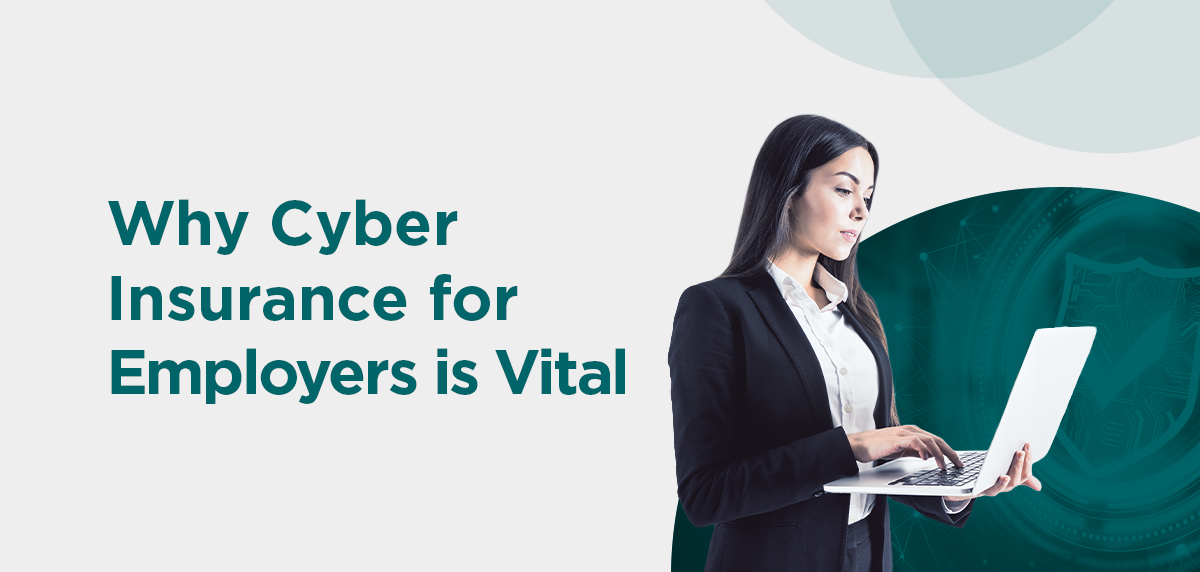
In today’s digital environment, employers manage significant volumes of sensitive employee and payroll data, making cyber insurance a business priority. Small and mid-sized businesses are frequently targeted in cyberattacks because they may lack the layered security infrastructure of larger enterprises.
Cybercriminals look for vulnerabilities like limited system visibility, outdated controls and concentrated stores of financial and personal data. A small business’s limited or outdated security measures, such as only relying on basic antivirus software, make it particularly vulnerable. Modern cyber threats can easily bypass these basic protections, leaving employers exposed to significant risks.
A single cyber incident can disrupt operations, expose employees to identity theft, and create financial and regulatory liabilities. Cyber insurance for employers plays a critical role in helping employers manage attack risks while strengthening their broader data breach protection strategy.
In this article, you’ll learn:
- Cyber insurance is essential for employers to protect sensitive payroll and employee data against cyber threats.
- Small and mid-sized businesses face cyber risks and benefit from cyber insurance.
- Policies can cover forensic investigations, legal fees, notification expenses and more, ensuring quick recovery from security breaches.
- Protecting employee data helps maintain trust and compliance, reducing long-term financial and reputational damage.
- Cyber insurance complements other cybersecurity measures, forming a robust risk management strategy.
Why Is Cyber Insurance Essential for Employers Handling Employee and Payroll Data?
Cyber incidents affect more than IT systems. They impact employees, operations, compliance obligations and long-term business continuity.
Employee Payroll and Personal Data Are High-Value Targets
Payroll systems contain highly sensitive information, including bank account numbers, Social Security numbers and home addresses. Cybercriminals target this data to commit identity theft and fraud, leading to consequences for both employees and employers. Data breaches can affect employee trust and trigger costly recovery efforts, including forensic investigations, legal defense, regulatory response and required breach notifications.
The ramifications of a data breach extend beyond immediate financial losses. Employees may face long-term identity theft concerns, which can create financial strain and reduce workplace confidence. This results in a loss of trust in the employer, which affects employee retention and productivity. Moreover, the legal and regulatory landscape is increasingly stringent, with businesses facing hefty federal and state fines and penalties for failing to adequately protect sensitive data.
PrestigePEO strengthens business protection through its cyber liability program and enhances employee security with identity theft benefits offered through NortonLifeLock® and MetLife Aura™ Identity and Fraud Protection. This integrated approach supports both organizational resilience and employee peace of mind.
What Does Cyber Insurance Cover?
Cyber insurance supports financial and operational recovery after a cyber incident, providing a structured response framework during a breach.
Coverage Can Addresses Immediate Response Costs and Long-Term Business Impacts
Cyber insurance for employers typically covers a wide range of expenses, including:
- Forensic investigations: These are crucial for determining the scope and cause of the breach. Understanding how the breach occurred helps prevent future incidents and is often a requirement for regulatory compliance.
- Legal fees and regulatory defense: Cyber incidents often lead to legal challenges, whether from affected employees, customers or regulatory bodies.
- Employee and customer notification expenses: Most jurisdictions require businesses to notify affected individuals when a data breach occurs.
- Credit monitoring and identity protection services: Offering these services to affected employees helps mitigate the risk of identity theft and demonstrates the employer’s commitment to protecting their personal information.
- Regulatory fines and penalties: Where legally permitted, cyber insurance can cover fines imposed by regulatory bodies, which can be substantial depending on the severity of the breach and the jurisdiction.
- Business interruption losses: Coverage may include reimbursement for business interruption losses resulting from system downtime.
- Public relations and reputation management: A data breach damages a company’s reputation. Cyber insurance often includes coverage for public relations efforts to help restore the business’s public image and reassure stakeholders.
This comprehensive coverage ensures businesses can respond quickly while minimizing disruption and financial strain. A robust cyber insurance policy means employers can mitigate the long-term impacts of a data breach and ensure a swift recovery.
Do Small Businesses Need Cyber Insurance?
Small and mid-sized businesses face many of the same cyber risks as larger organizations, often with fewer financial and operational resources to absorb the impact.
Smaller Employers Are Frequent Targets and Face Proportionally Higher Financial Risks
Many small businesses operate under the misconception that they are too small to be targeted, but this is far from the truth. Smaller businesses are often viewed as accessible targets due to limited security infrastructure.
A Verizon 2025 Data Breach Investigation Report found that:
-
Ransomware has a particularly severe impact on small organizations. In larger companies, ransomware is a factor in 39% of breaches. However, small and medium-sized businesses experience ransomware-related breaches at a significantly higher rate of 88%
-
In 2025, there were 3,049 breach incidents, and 2,842 had confirmed data disclosure.
-
System intrusion, social engineering and basic web application attacks account for a significant 96% of all breaches.
-
The cost of a data breach can differ; small businesses should anticipate spending between $120,000 and $1.24 million to address and resolve a security incident.
Without the financial cushion that larger enterprises might have, small businesses can find themselves struggling to recover from a cyber incident. Cyber insurance acts as a critical lifeline, ensuring that small businesses can withstand cyber incidents and continue to thrive. By investing in cyber insurance, smaller businesses can level the playing field, gaining access to resources and expertise that might otherwise be out of reach. This not only helps them recover from incidents but also strengthens their overall cybersecurity posture, reducing the likelihood of future breaches.

1. What is cyber insurance for employers?
Cyber insurance for employers is a specialized policy that helps businesses manage the financial and operational fallout from cyber incidents, such as data breaches involving employee or payroll information. It provides financial protection and operational support following a cyber incident.
2. How does cyber insurance support data breach protection?
Cyber insurance enhances your data breach protection strategy by covering critical response costs, including investigations, legal fees, employee notifications and identity protection services. This ensures businesses can act quickly and efficiently to mitigate the impact of a breach.
3. What types of employee data are most at risk?
Sensitive payroll and Human Resources data, such as Social Security numbers, bank account details, tax forms, addresses and health information are highly sought after by cybercriminals. Protecting this data is vital for maintaining employee trust and meeting regulatory compliance.
4. How much can a data breach cost an employer?
The financial impact of a data breach can be significant, encompassing costs for forensic investigations, legal defense, regulatory fines, notification expenses, business downtime and identity protection services for affected employees.
5. Does cyber insurance directly help employees?
Yes, it does. Many cyber insurance policies offer identity monitoring and restoration services. By partnering with providers like PrestigePEO, employers can extend identity theft protection benefits to their employees through trusted partners, providing peace of mind and added security.
6. Is cyber insurance part of a complete risk management strategy?
Absolutely. Cyber insurance is a key component of a comprehensive risk management strategy. It complements cybersecurity tools, employee training and secure payroll systems as part of a comprehensive risk management strategy.
Safeguard Your Business and Employees with Comprehensive Cyber Insurance
Cyber incidents create complex financial, operational and reputational challenges for employers. Cyber insurance for employers provides essential data breach protection by covering response costs, reducing business disruption and helping organizations recover quickly. By combining cyber insurance with proactive cybersecurity measures and employee protection benefits, businesses can confidently safeguard their workforces and maintain operational stability in an increasingly digital world.
Investing in cyber insurance reflects a proactive commitment to security, operational stability and employee protection.
Connect with PrestigePEO to evaluate your cybersecurity risk management strategy and explore how integrated protection solutions can support long-term business stability.